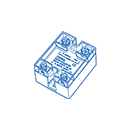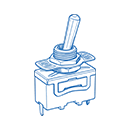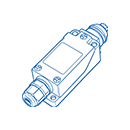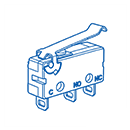

A limit switch converts machine movement into a repeatable electrical signal, such as end-of-travel confirmation or position detection. The best unit depends on how the machine contacts the actuator and how the signal reaches the control system.
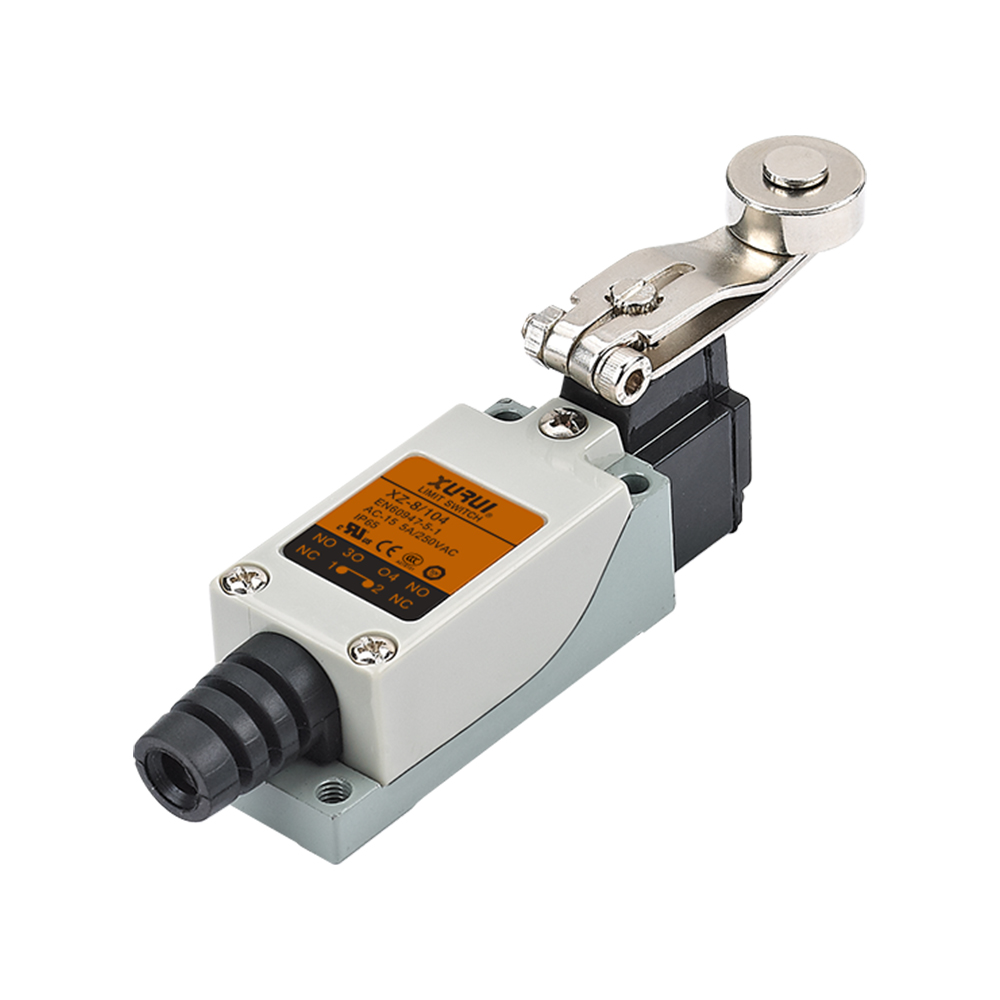
Roller lever, plunger and other heads have different approach directions, overtravel and return behavior. Check the actual cam path and ensure the machine does not mechanically overload the actuator.
Confirm NO/NC arrangement, operating voltage, contact current, minimum signal load, switching frequency and compatibility with the PLC input or the controlled circuit.
Dust, coolant, moisture, temperature and vibration affect enclosure and sealing choices. Review IP rating, cable entry, mounting points and service access for the exact limit-switch series.
XURUI lists multiple XZ series limit switches and variations of compact to heavy-duty enclosures. Different actuator heads and current ratings should be compared with drawings, not selected by appearance alone.
Mount a sample, verify operating point and differential travel, confirm stable electrical switching, check bracket rigidity and record the maintenance/replacement procedure.
| Selection point | Required confirmation |
|---|---|
| Electrical requirement | Input / output voltage, current, load type |
| Mechanical function | Actuator, travel, NO/NC and mounting |
| Environment | Temperature, dust, water and IP requirements |
| Documentation | Drawing, test data, model-specific certificates |
Not automatically. A safety function requires its own risk assessment and suitable devices.
No. Installation and the exact test conditions matter.
Actuator type, contacts, electrical load, mounting, travel, environment and quantity.
Explore related products: XURUI — Explore related products