
Solid State Relay
No Contact & Long Life, Stable Control
Solid State Relay
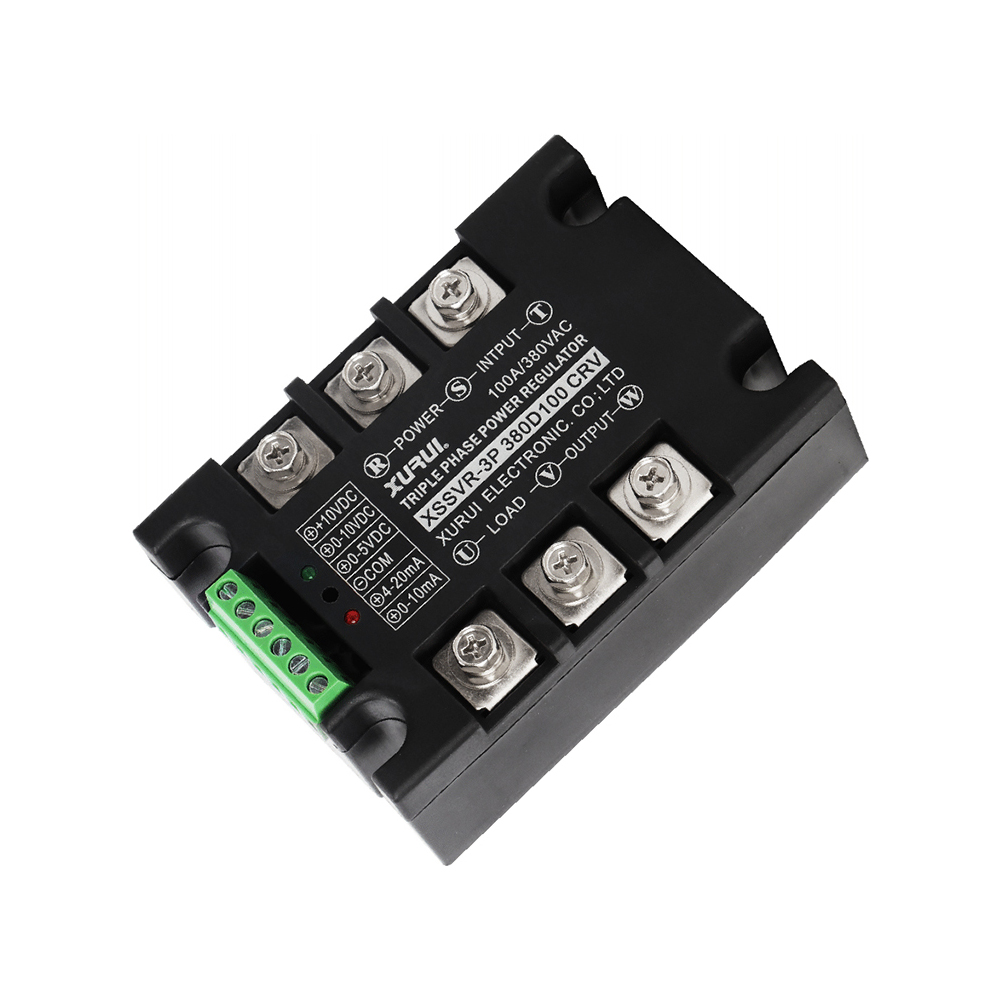
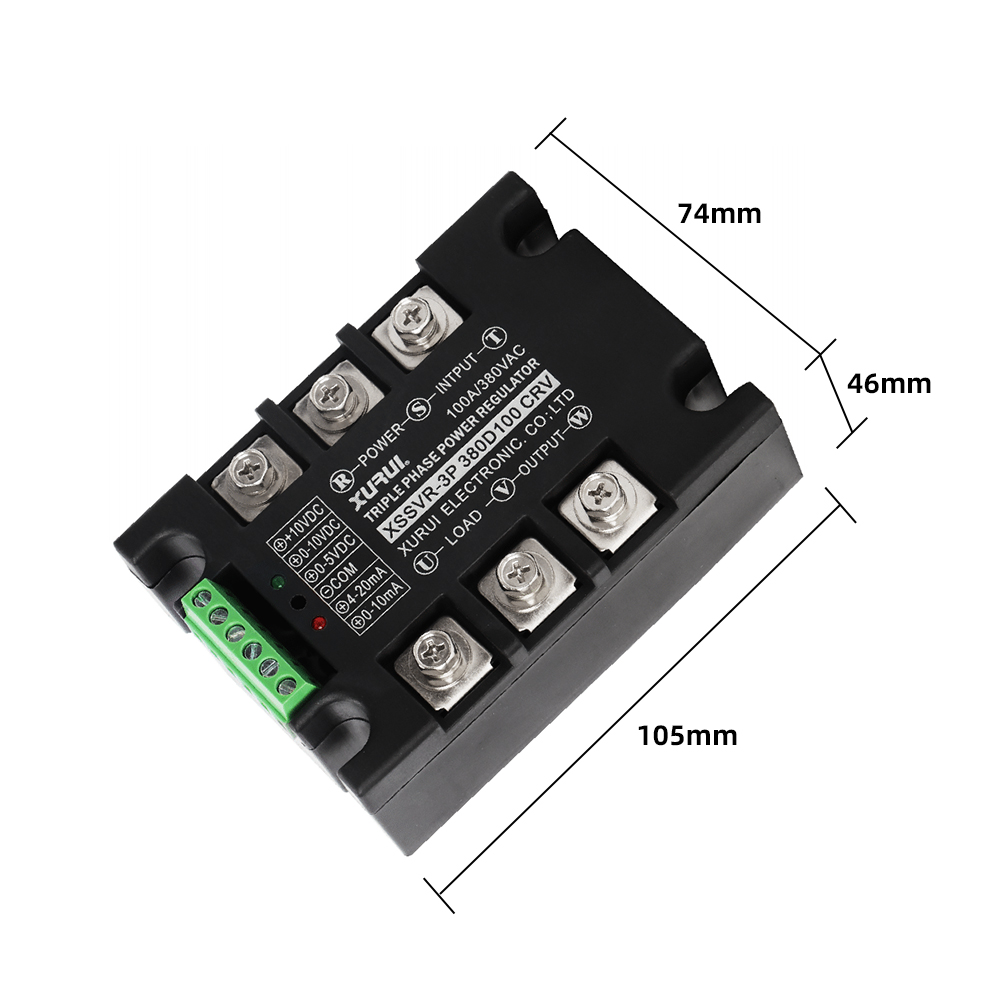
XSSVR-3P Three-Phase Intelligent AC Solid State Voltage Regulating Module

The XSSVR-3P is a three-phase intelligent AC solid state voltage regulating module designed for precise power control of three-phase AC loads. Featuring optical isolation between input and output circuits, integrated synchronous transformer technology, linear compensation control, and multiple input signal options, the module delivers stable and accurate output regulation with minimal harmonic interference. Its compact epoxy-sealed construction, high anti-interference capability, and wide compatibility with automation control systems make it ideal for industrial heating, motor control, CNC equipment, and process automation applications.

Input Control Signals:2–10kΩ Potentiometer / 0–5VDC / 0–10VDC / 4–20mA / 0–10mA

Load Voltage:0–380VAC (Three-Phase)

Rated Load Current:10A–200A

Operating Frequency:47–63Hz

2e68a3da4c690a02.webp

Product Features
  • Wide Application Range
    Wide Application Range

    Suitable for industrial automation equipment, electric heating systems, motor speed and power control, CNC machinery, process control equipment, and computer peripheral interfaces.

  • Broad Industrial Compatibility
    Broad Industrial Compatibility

    Compatible with various automatic control signals and supports manual adjustment through external potentiometers.

  • LED Status Indication
    LED Status Indication

    Dual-color LED indicators provide clear visual monitoring of power and output operating status.

  • High Precision Stepless Output Control
    High Precision Stepless Output Control

    Provides smooth power regulation without output steps, ensuring precise process control.

  • Compact Integrated Construction
    Compact Integrated Construction

    Epoxy resin sealed structure combines compact size with convenient installation and long-term durability.

  • Strong Anti-Interference Capability
    Strong Anti-Interference Capability

    Integrated synchronous transformer design enhances noise immunity and stable operation in demanding industrial environments.

  • Low Harmonic Interference
    Low Harmonic Interference

    Integrated RC snubber circuit reduces harmonic distortion and suppresses electrical noise for cleaner power control.

  • Linear Compensation Technology
    Linear Compensation Technology

    Built-in linear compensation ensures stable output performance and improved regulation accuracy across varying load conditions.

  • Optical Isolation Protection
    Optical Isolation Protection

    Input and output circuits are optically isolated with insulation voltage exceeding 2500V, improving operational safety and system reliability.

  • Multiple Control Input Options
    Multiple Control Input Options

    Supports a wide range of control methods including potentiometer, voltage, and current signals, allowing seamless integration with PLCs, controllers, and automation systems.

  • Intelligent Three-Phase Power Regulation
    Intelligent Three-Phase Power Regulation

    Provides accurate and stable regulation of three-phase AC loads with smooth and stepless output adjustment.
Specifications
Product modelXSSVR-3P380D□CRV
Input control2-10KΩ/0-5VDC/0-10VDC/4-20mA/0-10mA
Load voltage0-380VAC
Load max current10A-200A
Load mini current0.05A
Breakover voltage≤2VAC
Output leakage current≤8mA
Medium withstand voltage≥2500VAC
Switching time≤10mS
Medium withstand voltage≥2500VAC
Frequency range47-63Hz
Operating temperature-20-70℃
Load current safety factor
Resistive load 50-60%
Inductive load 30-40%
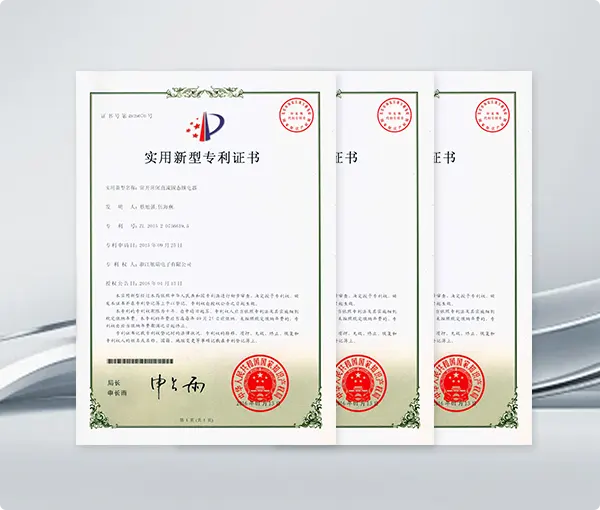
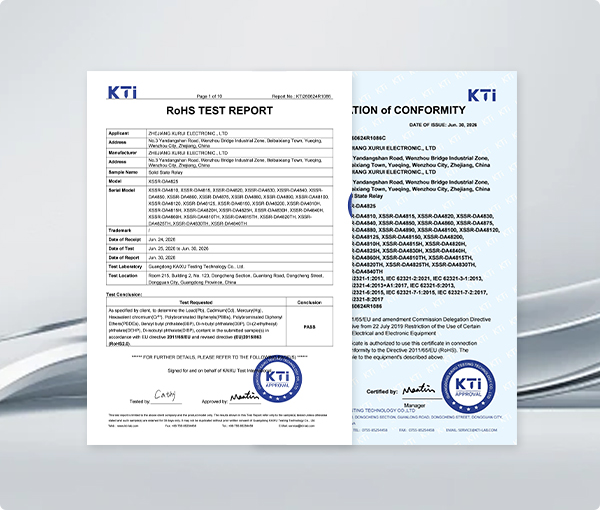
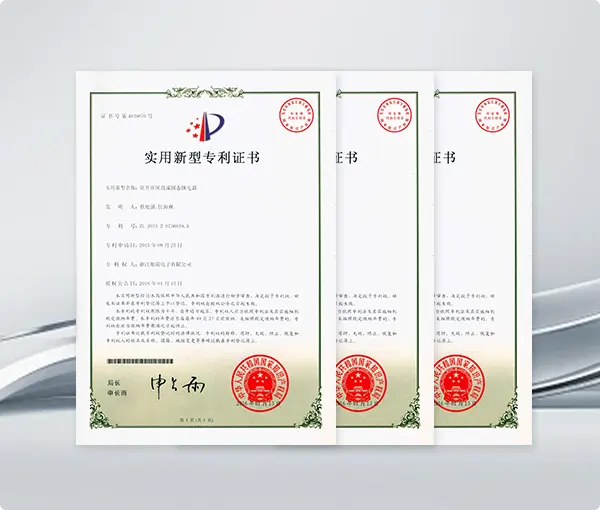
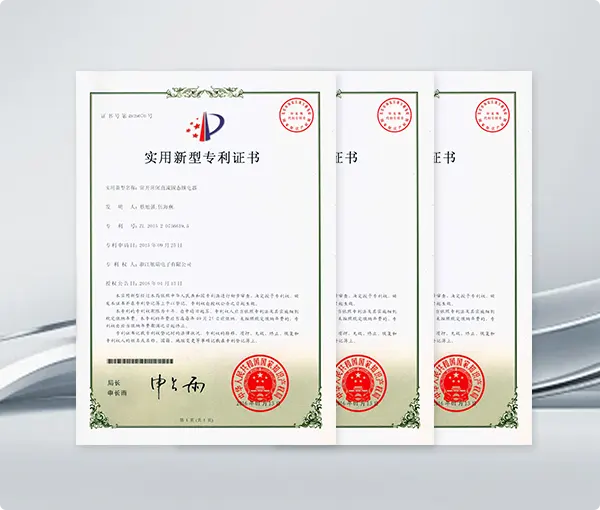
Product Certification
  • 01Certification for the Chinese market

    Compliant with GB national standards, with CCC and CQC certification for domestic sales and bidding compliance.

    Certification for the Chinese market Certification for the Chinese market
  • 02EU Market Certification

    Comply with CE, RoHS, REACH and EN standards, approved by TÜV & VDE, and support ATEX certification for explosive hazardous areas.

    EU Market Certification EU Market Certification EU Market Certification
  • 03North American Market Certification

    UL, CUL and CSA certified, conforming to North American electrical safety specifications for US and Canada market access.

    North American Market Certification
  • 04Japanese, Korean, and Asian markets

    Adapt to Japanese PSE and Korean KC certification, follow JIS and KS local standards to meet market access regulations of Japan and South Korea.

    Japanese, Korean, and Asian markets
Product Introduction & Process
  • 1
    Electronic Component Inspection

    Optocouplers, thyristors, triacs, MOSFETs, IGBTs, diodes, resistors, capacitors, varistors, LEDs, transformers, terminal blocks, ceramic substrates, PCBs, and aluminum heat sinks are inspected before production. Electrical parameters and supplier batch information are verified.

    2
    Power Device Selection and Matching

    Power semiconductor devices are screened according to blocking voltage, trigger characteristics, leakage current, on-state voltage, current capacity, and thermal performance. Components are matched according to the required relay voltage and current rating.

    3
    PCB or Power Substrate Preparation

    Printed circuit boards, ceramic substrates, or metal-based power substrates are cleaned and inspected. Solder pads, conductive tracks, insulation distances, and mounting surfaces are checked before electronic assembly.

    4
    SMT Component Placement

    Solder paste is accurately printed onto the PCB. Surface-mount components are positioned by automated placement equipment and soldered through a controlled reflow process. Temperature profiles are monitored to prevent insufficient soldering or thermal damage.

    5
    Through-Hole Component Assembly

    Power semiconductors, optocouplers, terminal blocks, transformers, LEDs, and other through-hole components are inserted according to the circuit design. Components are wave-soldered or manually soldered using controlled temperature and soldering time.

    6
    Solder Joint Inspection

    Solder joints are inspected visually or through automated optical inspection. The inspection checks for insufficient solder, bridging, cold joints, component misalignment, polarity errors, and contamination.

    7
    Circuit Cleaning and Preliminary Testing

    Flux residue and contaminants are removed where required. The assembled circuit is tested for input response, output switching, polarity, LED indication, short circuits, and basic insulation performance before encapsulation.

    8
    Heat Dissipation Assembly

    Power devices are mounted onto aluminum heat sinks, metal bases, or thermally conductive housings. Thermal grease, insulation pads, ceramic sheets, and controlled fastening torque are used to achieve reliable heat transfer while maintaining electrical isolation.

    9
    Protection Circuit Installation

    Depending on the model, RC snubber circuits, MOV surge protectors, transient suppression devices, over-temperature protection, or monitoring circuits are installed and verified.

    10
    Potting and Encapsulation

    The electronic assembly is positioned inside the housing and filled with insulating epoxy or thermally conductive encapsulating material. Vacuum treatment may be used to reduce trapped air. The resin is cured under controlled temperature and time conditions.

    11
    Electrical Performance Testing

    Each relay is tested for input trigger voltage, release voltage, input current, output leakage current, on-state voltage drop, zero-crossing characteristics, random-trigger response, insulation resistance, and dielectric strength.

    12
    Load and Thermal Testing

    The relay is operated under a specified load to verify switching stability and heat dissipation. Case temperature, semiconductor temperature rise, terminal temperature, and output waveform are monitored during testing.

    13
    Burn-In and Reliability Screening

    Selected models or production batches undergo continuous powered operation, repeated switching, high-temperature aging, or thermal cycling. Unstable components and early-life failures are identified before shipment.

    14
    Final Inspection and Packaging

    Terminal torque, housing condition, labels, current ratings, control voltage markings, wiring identification, and mounting accessories are checked. Approved products receive batch codes and are packed with appropriate electrostatic and mechanical protection.

Download
  • All
  • Selection Guide
  • Product Manual
  • Outline Drawing
Application Scenarios
Customization & Delivery
We support the following types of customization
  • Electrical Parameter Customization :

    Custom voltage & current, AC/DC type, zero-cross or random trigger.

  • Mounting Structure Customization :

    Custom mounting, terminals and non-standard dimensions.

  • Heat Dissipation & Protection Customization :

    Custom heat dissipation, high isolation, potting and anti-corrosion protection.

  • Function Upgrade Customization :

    Overheat/overcurrent protection, anti-interference, delay and soft start optional.

  • Appearance & Brand Customization

    Custom logo, marking, OEM/ODM and personalized solution design.

  • Proofing Cycle

    Regular customization: 3-7 working days

    Complex Customization: 7-15 working days

    Urgent Sampling: 24-72 hours

  • Proofing Cost ( $ )

    2222 US dollars

  • MOQ

    Conventional products have no minimum order quantity. Customized products can be consulted with customer service

  • Delivery Time

    The delivery time usually varies depending on the quantity and model of the order, usually 3-5 days. For specific times, please consult us

Frequently Asked Questions
  • How can I get an accurate quotation?
  • What is not covered by the warranty?
  • What does the product warranty cover?
  • What is your standard production lead time?
  • Which certifications and compliance documents are available?
  • Can you support samples and small trial orders?
  • What customization services do you offer?
  • How long does custom sample development take?
  • How are custom sample costs calculated?
  • How do you ensure product traceability?
  • What quality inspections are performed?
Related Recommendations